The Tower of Basel: Exposing Global Financial Control and South African Constitutional Violations
Throughout this website, we refer to "Section 34 of Chapter 2" of the South African Constitution. The term "ARTICLE 34" is an internal reference number assigned to this case by the International Cultural Tribunal for World Plebeians (administered by Marthinus J. Oosthuizen).
Need a Simple Explanation?
We've created an easy-to-understand summary of the Tower of Basel and how it affects your daily life as a South African.
This simplified explanation breaks down complex banking concepts into everyday language.
Read the Simple Explanation
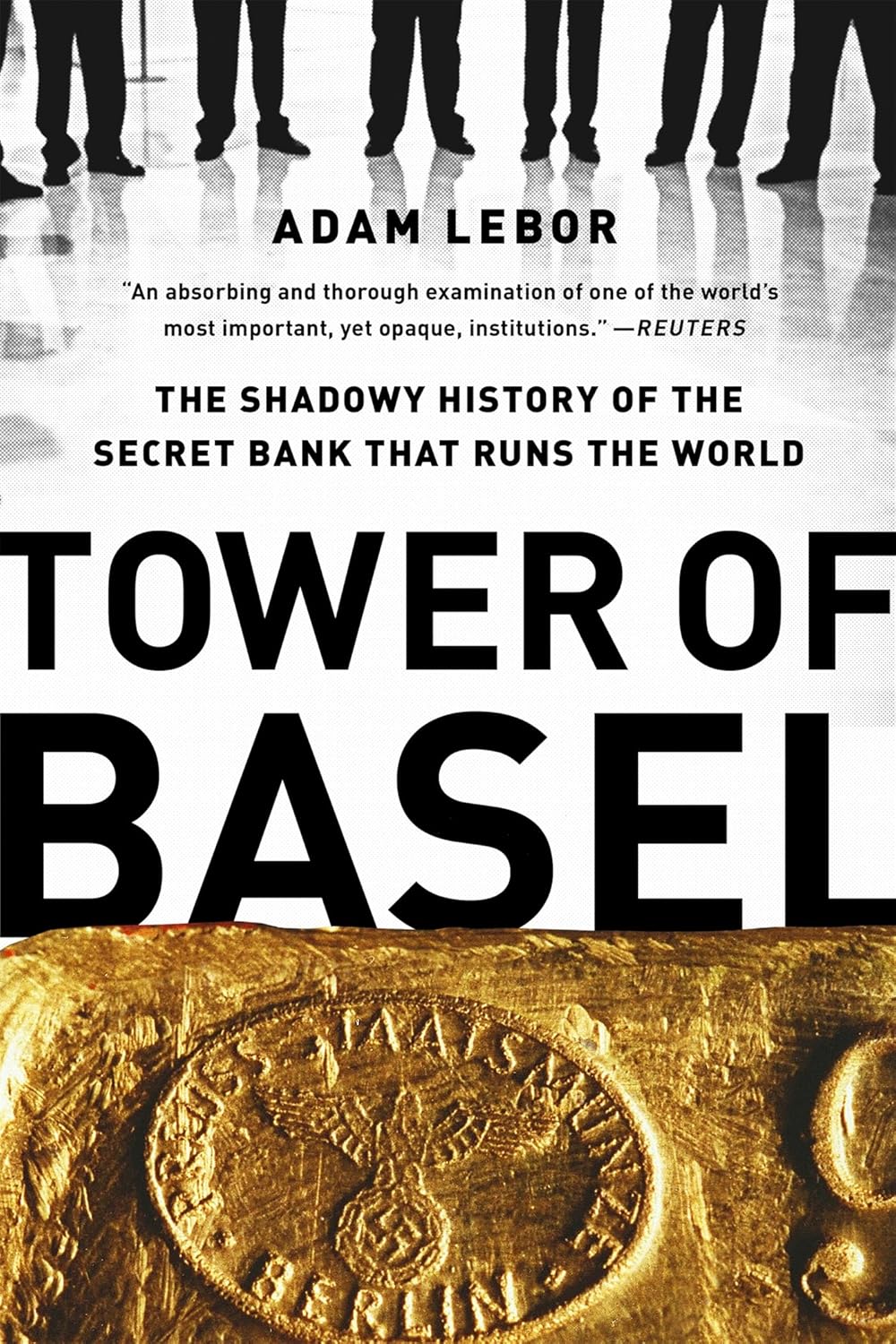
Based on Adam LeBor's Groundbreaking Investigation
"The world's most exclusive club meets every other month at 7pm on Sunday evening in a circular tower block whose tinted windows overlook Basel railway station. Its members include some of the most powerful men in the world. They are central bankers, who have come to Switzerland to attend the Economic Consultative Committee of the Bank for International Settlements, the bank for central banks."
Tower of Basel is the first unauthorized investigative history of the world's most influential global financial institution, revealing how an obscure bank wields enormous power over South Africa and other nations worldwide.
The Bank for International Settlements: The Secret Power Behind Central Banks
The Bank for International Settlements (BIS), headquartered in Basel, Switzerland, was established in 1930 ostensibly to handle German reparation payments after World War I. However, as Adam LeBor meticulously documents, it quickly evolved into something far more powerful: a central bank for central banks, operating with extraordinary legal immunity and minimal public oversight.
Key facts about the BIS revealed in LeBor's investigation:
- The BIS and its assets are legally inviolable - Swiss authorities have no jurisdiction over the bank or its premises
- The bank operates with tax-free status despite generating billions in profits
- During World War II, the BIS accepted looted Nazi gold and conducted foreign exchange deals for the Reichsbank
- The BIS has been instrumental in shaping global monetary policy, including the creation of the Euro
- The bank operates with minimal transparency despite its enormous influence over global financial systems
Most critically for South Africans, the BIS exerts significant control over the South African Reserve Bank (SARB) through its membership and policy frameworks, creating a direct line of foreign influence over South Africa's monetary sovereignty.

South African authorities ‘lied’ about Phala Phala engagement with Namibia
The South African Reserve Bank: Constitutional Contradictions
Constitutional Violation Alert
The private ownership structure of the South African Reserve Bank directly contradicts the sovereignty principles established in the Constitution. While Section 224(2) addresses the SARB's independence, the Constitution never intended for South Africa's monetary policy to be influenced by private shareholders and foreign banking interests.
The South African Reserve Bank was established in 1921 and, unlike most modern central banks, maintains a private shareholding structure to this day. Approximately 750 private shareholders hold 2 million shares in the SARB. While the South African Constitution (Section 224) addresses the SARB's independence, it does not explicitly require or protect this private ownership model.
This creates a fundamental contradiction: How can a nation's sovereign monetary policy be truly independent when its central bank is partially owned by private interests and operates under the influence of an unaccountable international organization (the BIS)?
Key Constitutional Contradictions:
- Sovereignty Violation: The Constitution establishes South Africa as a sovereign democratic state (Section 1), yet monetary policy is influenced by private shareholders and the BIS.
- Transparency Failure: The Constitution requires transparency (Section 195), yet the SARB's relationship with the BIS operates with minimal public oversight.
- Democratic Control Undermined: The Constitution establishes democratic governance (Section 1), yet key monetary decisions are influenced by unelected private shareholders and foreign banking interests.
- Public Interest Subverted: The Constitution requires that public administration must be governed by democratic values (Section 195), yet the SARB's structure prioritizes banking interests over public welfare.
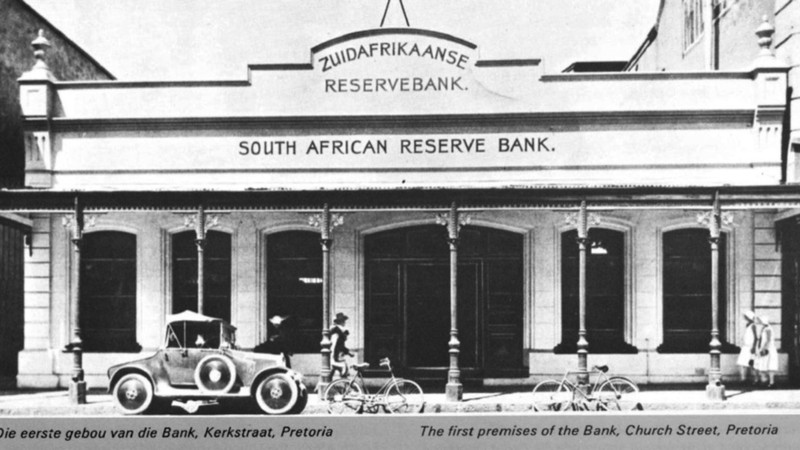
Original South African Reserve Bank over 100 Years of Control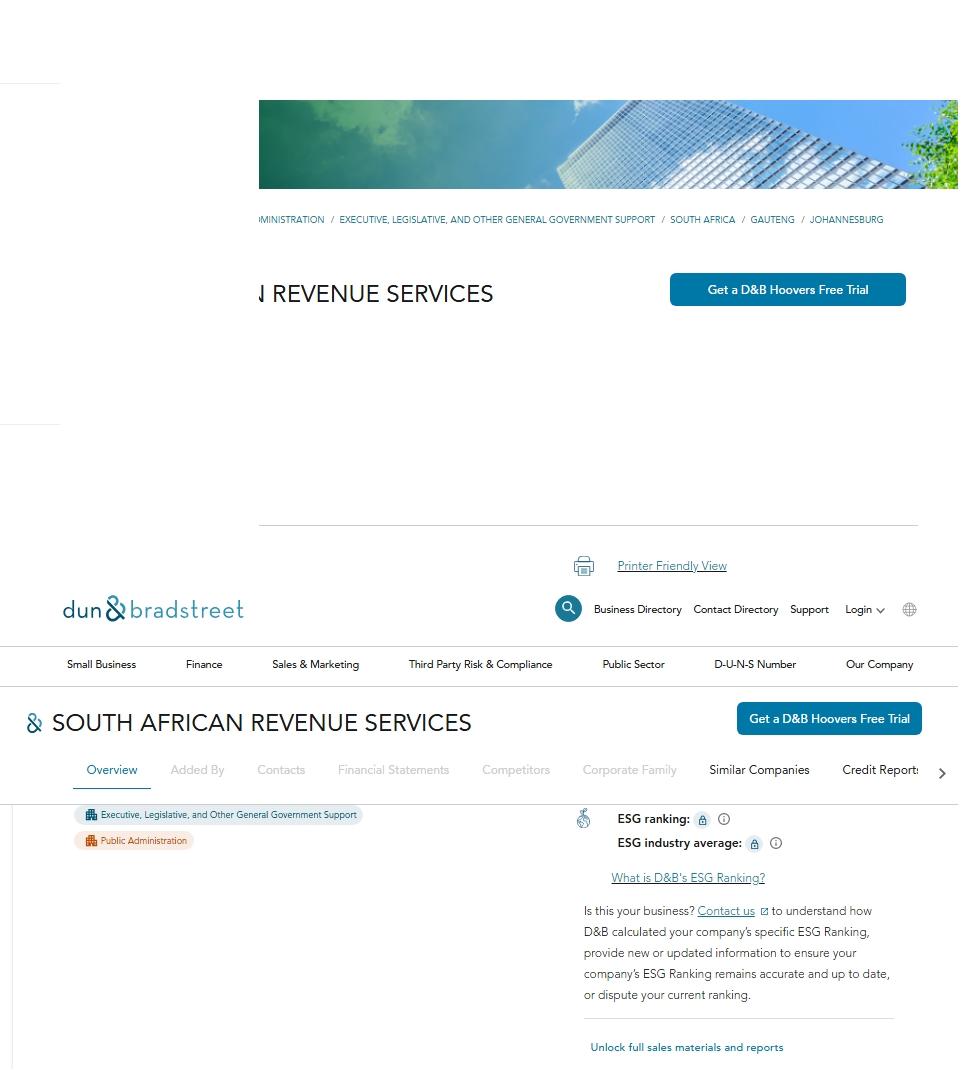

Another declassified document showing government deception tactics
South African Laws That Compromise Constitutional Rights
The following South African laws and regulations, influenced by the BIS and international banking interests, directly compromise the constitutional rights of South African citizens:
| Law/Regulation | Constitutional Right Violated | How It Compromises Rights |
|---|---|---|
| South African Reserve Bank Act (No. 90 of 1989) | Section 1: Republic of South Africa is one, sovereign, democratic state | Establishes private ownership of the central bank, compromising monetary sovereignty and placing it under foreign influence through the BIS |
| Banks Act (No. 94 of 1990) | Section 9: Everyone is equal before the law | Creates a two-tier financial system where banks receive preferential treatment and bailouts unavailable to ordinary citizens |
| Financial Intelligence Centre Act (No. 38 of 2001) | Section 14: Right to privacy | Enables surveillance of financial transactions without adequate judicial oversight, violating privacy rights |
| Financial Sector Regulation Act (No. 9 of 2017) | Section 34: Access to courts and independent tribunals | Creates regulatory bodies that lack true independence from banking interests, limiting citizens' access to impartial dispute resolution |
| Currency and Exchanges Act (No. 9 of 1933) | Section 25: Property rights | Enables currency devaluation that erodes citizens' savings and property values without compensation |
These laws, when viewed through the lens of the Tower of Basel's revelations, show a systematic pattern of constitutional violations that prioritize international banking interests over South African citizens' rights.
The Plebeian Tribunal's Role in Addressing These Violations
The Plebeian Tribunal, recognized under Section 34 of Chapter 2 of the South African Constitution, serves as a critical mechanism for addressing these constitutional violations. As an independent tribunal activated when conventional government organs are compromised, the Tribunal has the authority to:
- Review and Challenge: Examine laws and regulations that violate constitutional sovereignty, particularly those related to the SARB's private ownership structure
- Issue Findings: Publish formal findings on constitutional violations related to monetary policy and banking regulation
- Order Remedies: Direct appropriate remedial actions to restore constitutional compliance
- Protect Citizens: Safeguard South Africans from the harmful effects of unconstitutional financial structures
The Tribunal's ultimate goal is "Restitutio in Integrum" - the complete restoration of South Africa's constitutional sovereignty, including monetary sovereignty currently compromised by the BIS system.

The Plebeian Tribunal serves as a constitutional safeguard when government organs are compromised
Join the Movement to Restore South Africa's Monetary Sovereignty
The Plebeian Tribunal is taking action to address these constitutional violations and restore South Africa's sovereignty from foreign banking control.
Sign the Petition Contact Us